The Comprehensive Guide: Where Do I Find Ethically Sourced Gift Hampers?
Do you ever feel like gift-giving is a moral tightrope walk? You want to celebrate someone special, but you also want your purchase history to read less like a contribution to global waste and more like a vote for positive change. Finding that perfect present can be overwhelming enough, but adding the ethical sourcing requirement adds an entirely new layer of complexity—and sometimes, sheer anxiety.
The good news is that aligning generosity with ethics is absolutely possible, and today’s market offers more options than ever before. But since "ethical" means different things to different people (sustainable packaging? fair wages for workers? locally sourced ingredients?), knowing where to start can feel like trying to drink from a firehose of information. This guide will cut through the confusion, giving you actionable strategies on exactly where do I find ethically sourced gift hampers?
Understanding the Ethics: What Are We Really Buying?
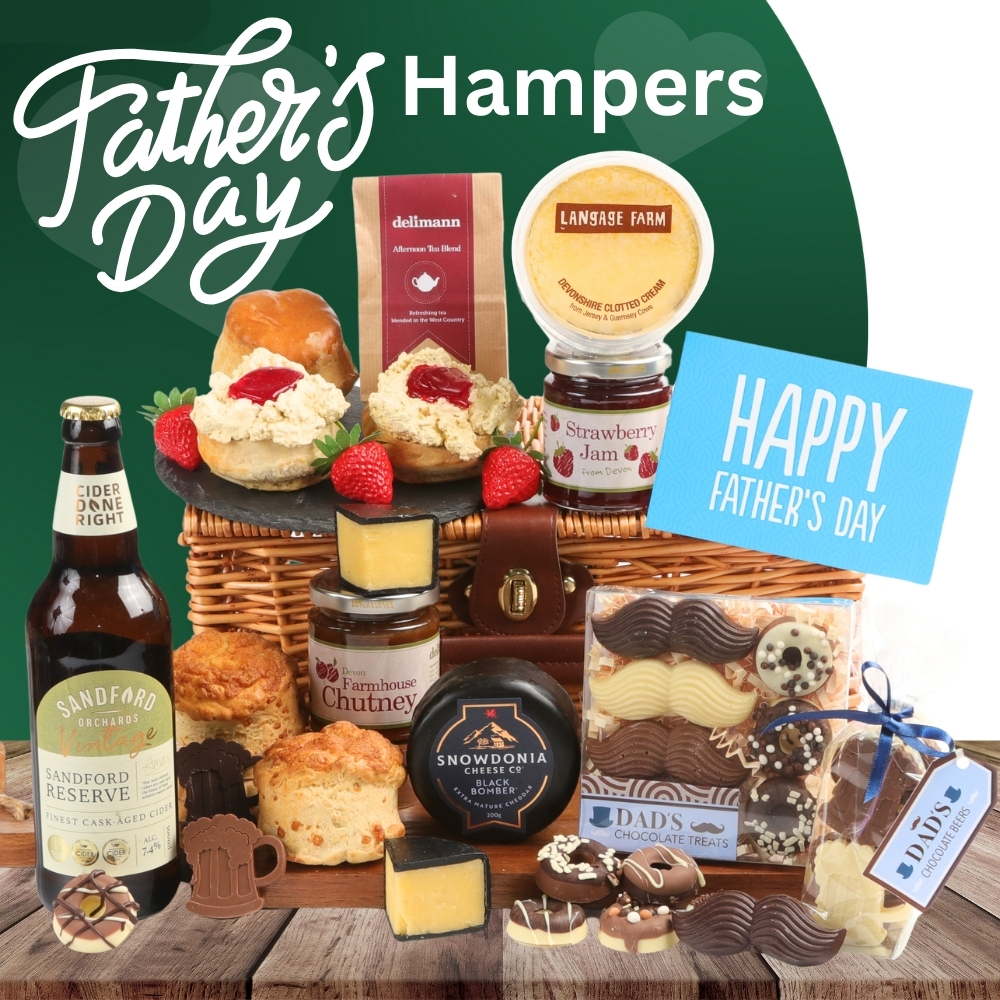
Before we dive into shopping locations, it’s vital to understand what ethical sourcing actually encompasses. It is far more than just checking a box; it's about tracing goods back through their entire supply chain—from the seed or raw material all the way premium Father's Day hampers to your doorstep.
When someone claims an item is "ethical," they are usually making a promise related to three core areas: labor, environment, and community impact. For instance, ethically sourced chocolate isn't just grown in a certain country; it means the farmers received fair compensation for their cocoa beans and used sustainable growing practices that protect local biodiversity.
Think of ethical sourcing as an invisible thread woven through every product. If any part of that thread is fraying—say, poor labor conditions or environmental damage—the whole gift hamper loses its integrity. Do you want your thoughtful gesture to be based on guesswork, or do you want it to be rock solid? Knowing this helps narrow the search significantly when figuring out where do I find ethically sourced gift hampers?
Tapping into Local Artisan and Farmer Networks
Often, the most transparent options are found right in your own backyard. When you skip the massive online retailers and go local, you drastically shorten that supply chain, making it much easier to verify the origins of goods.
- Farmers' Markets: These are goldmines for localized goods. Talking directly with a vendor about their ingredients or methods is invaluable. You can ask pointed questions—like "Who grew these apples?" or "Are your preserves using local honey?"
- Local Craft Guilds and Boutiques: Support small, independent businesses that specialize in artisan goods. They usually have deep roots in the community they serve, making their supply chain inherently more traceable than a large corporation's.
I remember once visiting a tiny market in Vermont looking for coffee beans. I bought from a local roaster who, in turn, sourced his green beans directly from a cooperative in Central America. The owner didn't just sell me coffee; he told me the story of the cooperative and how their purchasing helped fund a new school bathroom—a story that transformed a simple purchase into something meaningful.

Curated Online Marketplaces: Your Digital Shopping Guide
If your dilemma is time-based and you need convenience, certain online platforms act as necessary filters, doing the heavy lifting of vetting suppliers for you. These sites are essentially highly specialized shopping directories.
These curated marketplaces generally categorize goods by their ethical claims (e.g., vegan, B Corp certified, Fair Trade). When searching these digital hubs, keep your eyes peeled for third-party certifications. A reputable site will not just say "ethical"; it will show you the badge that proves it.
- Specialty Gift Sites: Some e-commerce sites focus exclusively on sustainable or zero-waste living, meaning every item they list has already passed a high bar of scrutiny regarding its origin and impact.
- Direct Impact Platforms: Others connect consumers directly with social enterprises. Here, your purchase doesn't just buy a product; it funds a specific initiative—like providing clean water access or funding education in another country.
The Power of Due Diligence: Asking the Right Questions
No matter whether you are at a farmer’s market or clicking through an online checkout page, one thing remains constant: you are the ultimate quality control officer. Don't take any claim at face value; ask questions until they feel like calling out "Game Over!" to the seller who only answers with buzzwords.
Here is a helpful checklist when determining where do I find ethically sourced gift hampers?
- Does the seller name their specific partners or origins, or does everything come from an anonymous "global supplier"?
- Are there visible certifications (like Fair Trade Certified, organic USDA seals, etc.)?
- Do they offer transparency reports or mission statements detailing their impact goals?
As one activist once said, "The greatest danger to our future is apathy." Applied to consumerism, this means we must become actively informed. By asking those tough questions, you elevate your purchase from a mere transaction into an act of conscious consumerism. If the seller can’t answer your basic traceability questions, it's usually time to look elsewhere.
Crafting a Gifting Strategy for Global Impact
Knowing where to shop is only half the battle; making the final decision requires thoughtful consideration of both the recipient and the planet. Think about the gift as an experience, not just a collection of items. A hamper full of local coffee beans paired with handmade ceramics tells a richer story than one filled with factory-bought goods.
To build your perfect, ethically aligned selection, try diversifying your sources: pair something hyper-local (like honey from your own county) with something globally ethical (like Fair Trade tea). This mix shows thoughtfulness and depth of research.
By adopting this comprehensive approach—combining local expertise with globally vetted online resources—you ensure that your gift is not only beautiful but carries a demonstrable positive ripple effect. Your next search for where do I find ethically sourced gift hampers? should be approached not as a chore, but as an exciting opportunity to make a difference, one beautifully curated box at a time.
Beyond the Hamper: Sustaining Conscious Gifting Year-Round
Ready to turn conscientious shopping into a habit? To keep your gifting impact high year-round, consider making these three commitments before you buy anything:
- Prioritize Repair Over Replacement: Instead of buying a new item, can you gift a gift certificate for an experience (like a woodworking class or cooking lesson)?
- Seek Multi-Purpose Gifts: Opt for items that the recipient can use in multiple ways, maximizing their value and minimizing waste.
- Check Packaging First: Truly ethical sourcing includes packaging. Look for reusable, compostable, or minimal materials—this is often overlooked!
By making these small changes, you ensure your giftgiving journey remains a source of joy, meaning, and measurable positive change.